If Sen. Bernie Sanders has his way, another bailout for dairy farmers is on tap.
On July 31, Secretary of Agriculture Vilsack announced an increase in the price support levels for dairy through the Dairy Product Price Support Program increasing farmers’ revenues by an estimated $243 million. (Under the Price Support Program, the federal government purchases and warehouses large quantities of dairy products, thereby reducing supply and raising the price of goods for American families.)
However, to some in the senate, that’s not enough –they’re calling for an additional $350 million to the overall funding for the Farm Service Agency with the purpose of (as pointed out by Sen. Bernie Sanders) increasing price support levels for purchases of dairy products beyond the increased levels announced by Vilsack.
A senate amendment to the 2010 Agriculture appropriations bill to this effect passed in August, and will now be part of conference negotiations.
There are many reasons why this short-sighted government bailout of dairy farmers should be rejected, and perhaps the clearest articulation comes from someone who should know.
As a dairy farmer, John Mueller of Willow Bend Farms in Clifton Springs knows what he is talking about, and he has clearly seen better days, but he says:
“The market is telling us we got to have less milk on the market, and by him putting more money into dairyman’s pockets–it’s going to keep milk on the market–it’s going to prolong this low-price situation, (…) We need to just ride it through, we need to suck it up, get through it, and we’ll be in better shape just like we were in 2007.”
Watch the full clip here:
(if you’re using Firefox you might encounter difficulties viewing this video. Try using the Internet Explorer instead)
Not only are these types of subsidies counterproductive, as they send the wrong signals to dairy farmers to produce more milk when there’s already too much of it, they also come with a massive price tag.
In an opinion piece from 2007 the Cato Institute’s Chris Edwards cited an Organization for Economic Cooperation and Development study determining that U.S. dairy price policies created a 26 percent “implicit tax" on milk consumers – and that was 2007.
The International Dairy Foods Association has calculated that raising price support so the levels from 2008 levels to the levels promoted by Sen. Sanders will cost consumers nearly $1 billion over the next months.
Given that children under the age of 18 consume nearly half of all dairy products, it is inconceivable why government would want to add to a family’s burden in these trying economic times with this regressive “milk tax.”
Unfortunately lawmakers like Bernie Sanders or Chuck Schumer, coming from states in which the dairy industry is among the largest segments of the respective state’s agricultural industry, will continue to push for increasing price support levels.
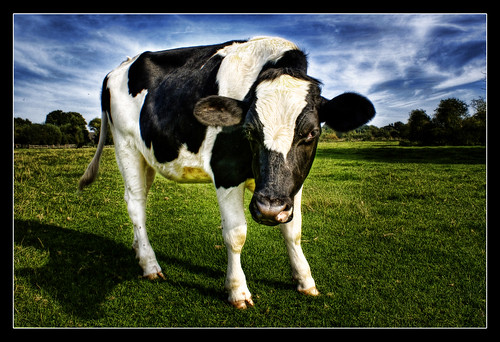
Photo credit: Steve Arnold