

Commentary
Joe Biden and Kamala Harris Will Raise Your Taxes
Joe Biden and Kamala Harris will raise your taxes. They will impose income tax hikes, small business tax hikes, capital gains tax hikes, corporate…
Tax Reform
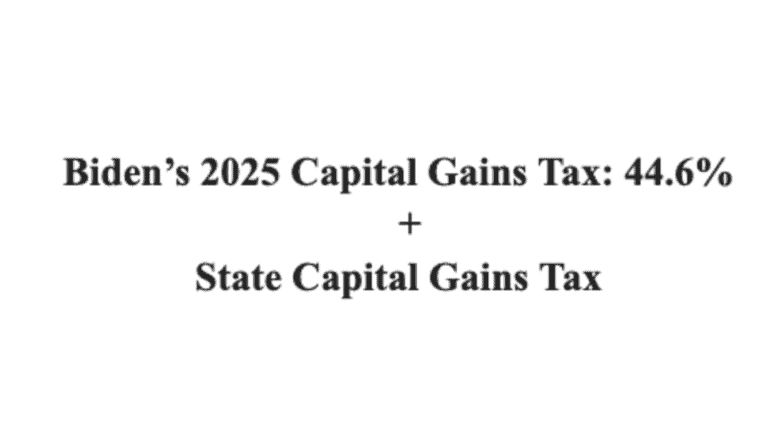
Biden Calls for 44.6% Capital Gains Tax Rate, Highest Capital Gains Tax Since Its Creation in 1922
And don’t forget to add the state capital gains tax: the Biden combined federal-state rate would exceed 50% in many states President Biden has…

Trade
ATR Applauds House Oversight For Investigating FTC-DOJ Strike Force
The House Committee on Oversight and Accountability is launching a probe into the rampant politicization of the Federal Trade Commission (FTC) by Chair Lina Khan…
Taxpayer Protection Pledge
ATR Commends Pennsylvania Pledge Signers Ahead of April 23 Primary
Conservative Movement Leaders Oppose Motion to Vacate
Tech & Telecom, Trade
ATR Applauds House Ways and Means for Holding USTR Accountable
About Us
Has Your Elected Official Signed the Pledge?
No one in modern times has fought harder to shrink the state than the founder of the group Americans for Tax Reform.
One of the most influential figures in the history of the U.S. tax code and the U.S. budget, a consistent and provocative voice for less of each.
Since creating Americans for Tax Reform at Ronald Reagan’s behest back in 1985, Norquist has been responsible more than anyone else for rewriting the dogma of the Republican Party.
There's been no organization in our country who's kept the issue of high taxes and IRS abuse more in the public eye than ATR.
The high priest of Republican tax-cutting
Featured Links

About Grover
“Hands down the most powerful tax advocate in Washington.” – The Hill

Coalition Meetings
"The Grand Central Station of the conservative movement." – John Fund
Featured Letters

Financial Services
ATR Submits Comment Letter Responding to CFPB’s Rule on Overdraft Fees

Financial Services
ATR Submits Comment Letter Responding to CFPB’s Rule on Non-Sufficient Funds Fees

Financial Services
ATR Submits Comment Letter Defending Life Insurance and Annuities
Policy Areas
-
Tax Reform
Tax Reform
-
Spending & Regulatory Reform
Spending & Regulatory Reform
-
Healthcare
Healthcare
-
Tech & Telecom
Tech & Telecom
-
Energy
Energy
-
Labor
Labor
-
Property Rights
Property Rights
-
Financial Services
Financial Services
Join ATR
Our movement is growing. If you oppose higher taxes, join the fight! Sign up today!